

- 9 December 2025
Our heart is hard at work every minute of the day, making it a worthy investment to ensure that you are taking care of it. Although regular exercise and routine check-ups are important, the biggest determinant of your health is what you eat daily. Some foods can cause silent damage when consumed over time, like high blood pressure and arterial weakening.
Whether you or a loved one is working to manage heart health, foods to avoid for heart patients can be pivotal in the longevity of a strong and healthy heart.
Why Food Matters So Much for the Heart
The diet you eat impacts the health of your heart in a very significant way. Eating foods that are high in saturated fats, salt, or refined sugar can allow plaque to build up in arteries, causing the heart to work harder and increasing the risk of developing heart disease. By comparison, eating a balanced, wholesome diet — which is also known as a heart attack prevention diet — can decrease bad cholesterol levels, keep blood pressure under control, and prevent long-term problems.
What are the Foods to avoid for heart patients?
1. Processed & Red Meats
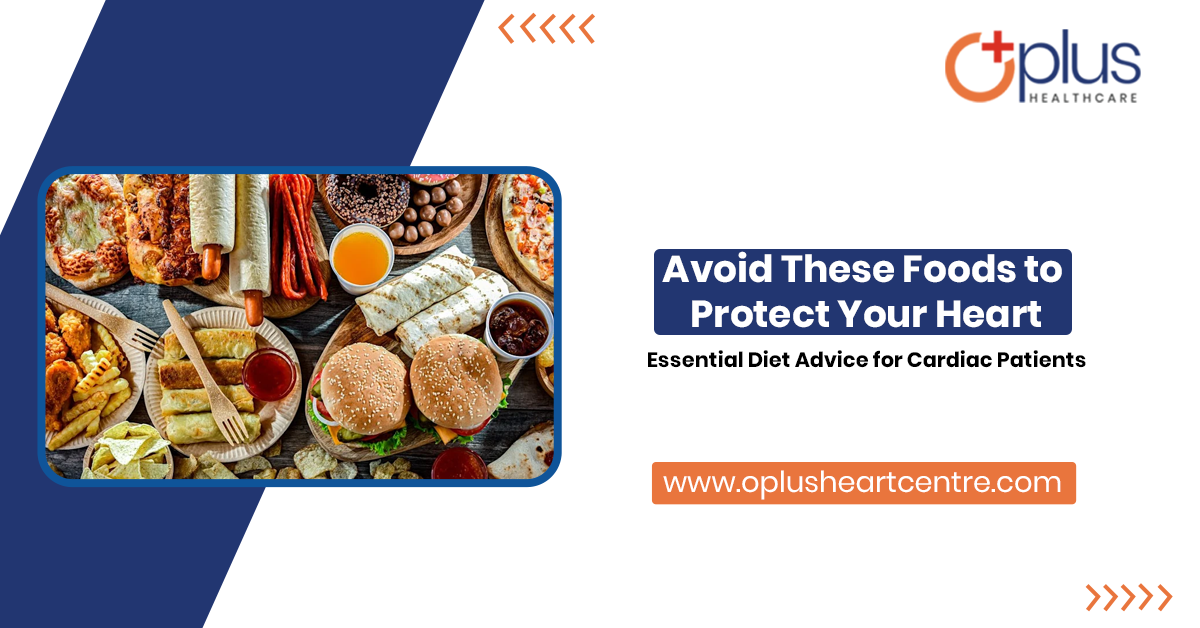
Such as bacon, sausages, ham, and salami — might add flavour to your meals, but they are high in saturated fats and sodium. Eating them regularly can lead to increased levels of LDL (bad) cholesterol, artery-clogging plaque buildup, and a higher risk of developing cardiovascular disease over time. You can go for lean meats, like fish, turkey and skinless chicken, and swap meat for plant-based proteins with lentils or beans, tofu, or chickpeas.
2. Fried and Fast Foods
French fries, burgers, and other deep-fried foods are at the top of the list of unhealthy foods for your heart. They are cooked in heart-harmful oils, high in trans fats that increase the bad cholesterol (LDL) and decrease the good (HDL). So for this, you can use olive oil or sunflower oil, both of which are heart-friendly.
3. Sugary Drinks and Desserts
Drinking soda, packaged juice, and other sugary treats on the regular can raise blood sugar levels and increase triglycerides — both of which are associated with heart problems. So, drink fresh fruit juice or infused water. And opt for homemade sweets made using natural ingredients like dates or jaggery.
4. Packaged & Junk Foods
Instant noodles, chips and cookies may be fast and fun, but they also contain preservatives, trans fats, and sodium that will damage your heart over the long run. These bite-sized snacks are full of empty calories, which raise cholesterol and blood pressure, so they are among the foods to avoid for heart patients. But you go for much on roasted nuts or seeds, or air-popped popcorn, homemade soups, or whole-grain snacks instead of instant ones, etc.
5. Butter, Margarine & Cream
Butter, margarine, and heavy cream add flavour to meals but contain high amounts of saturated fats that can narrow arteries and restrict blood flow. Regular consumption increases the risk of heart disease and other cardiovascular issues. So, use olive oil for cooking or drizzling over salads, or yoghurt-based sauces.
Full-Fat Dairy Products
Butter, cheese, and full-cream milk are also typically high in saturated fats that can raise LDL (bad) cholesterol. The plaque can also accumulate over time, clogging arteries and limiting blood flow to the heart. So, for this, make a heart-healthy choice by replacing cream-filled options with low-fat or plant-based dairy alternatives.
High-Salt Foods
Too much dietary sodium is among the leading causes of high blood pressure, one of the top risk factors for heart disease. Tinned soups, pickles, sauces, and restaurant meals are typically crammed with salt. If the weather is hot, limiting salt in your food can help you keep a healthy fluid balance and minimize high blood pressure.
Role of balanced nutrition in heart recovery
In addition to avoiding unhealthy foods, adding heart-healthy options like leafy greens, berries, oats, and nuts is also beneficial for the heart. Eating a diet rich in fiber, antioxidants, and omega-3 fats is better for blood flow and less inflammation. Moreover, go for exercise regularly, manage stress, stay hydrated and quit smoking, and limit alcohol.
Cardiac patients who undergo treatments such as EECP Treatment in India can also greatly benefit from a healthy diet since it helps improve blood flow, reduces symptoms such as chest pain, and takes care of everything during the recovery process.
Final Thoughts
Guarding your heart doesn’t mean you have to stop enjoying the foods you love — it’s about making smarter choices. Avoiding unhealthy foods for the heart, like fried snacks. sweetened drinks and processed meats can greatly reduce your risk for heart disease