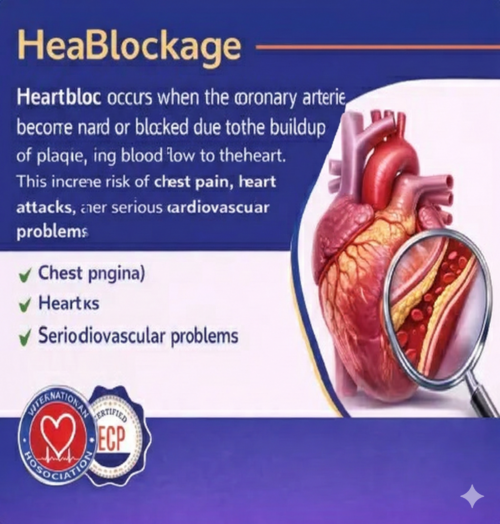
Heart blockage is a condition in which the arteries supplying blood to the heart gradually become narrow, reducing the flow of oxygen-rich blood to the heart muscle. This usually develops over many years due to the buildup of plaque formed from cholesterol, fat, calcium, and other substances in the blood. Because the process is slow, many people do not notice any problem in the early stages.
A lesser-known but important fact is that heart blockage can remain silent for a long time. Some individuals experience no symptoms until the blockage becomes severe or a sudden clot forms over an existing plaque. Even a partial blockage can become dangerous if it interrupts blood flow unexpectedly. Blockages may affect one artery or multiple arteries, and their impact depends on where they are located.
Earlier, heart blockage was commonly linked to older age, but today it is increasingly seen in younger people. Factors such as diabetes, smoking, high blood pressure, stress, unhealthy eating habits, lack of physical activity, and family history all contribute to this trend. Since every patient’s condition is different, early screening and timely medical evaluation are essential to prevent serious complications, and for this, you can consult at Oplus Heart Center, where you get a highly trained physician and cardiologist.
The term heart blockage generally refers to a condition in which the arteries that supply blood to your heart gradually become narrowed. Mainly due to cholesterol, fat, calcium, and other substances present in the blood circulation. When this substance builds up, the space in the arteries becomes smaller, and blood that is rich in oxygen is unable to flow freely either. This damages the efficiency of our hearts.
To understand what is heart blockage is, we should understand that the disease generally develops slowly and is closely related to lifelong diet and exercise habits. Factors such as high cholesterol, high blood pressure, diabetes, smoking, obesity, unhealthy diet habits, lack of physical activity, and prolonged stress all greatly increase the risk. Genetic predisposition may also have a role to play, even in individuals who outwardly seem to have been born healthy.
The extent and pattern of blockage are different from person to person, and some can involve one or more arteries. Moreover, if left untreated, heart blockage will increase the risk of heart attack, heart failure, and long-term damage to your heart. With timely assessment and thorough care from Oplus Heart Center, it is possible to plan effectively for better health over the long haul of life.

Very mild narrowing with near-normal blood flow

Mild blockage causing a slight blood flow reduction

Moderate blockage with restricted circulation

Severe blockage with high heart risk
People with narrowed coronary arteries or who are at high risk of future heart problems need heart blockage treatment. Knowing what is heart blockage is helps you figure out who needs care right away. At Oplus Heart Center, treatment decisions are based on thorough evaluations and risk assessments.

People who have coronary artery disease based on heart tests
Patients exhibiting moderate to severe arterial narrowing on angiography
People with diabetes and a blockage in their heart
People who have high blood pressure, high cholesterol, and blocked arteries
People who have a lot of heart disease in their family
People who need medical, interventional, or surgical heart care
Patients whose heart condition is worsening despite medical intervention
Women with an increased cardiac risk after menopause
Young adults with genetic or early-onset cardiovascular disease
Children with congenital heart defects that affect the coronary arteries.
To understand heart blockage, you need to know that treatment can't always follow a set plan. Before deciding on the best care, doctors first check how narrow the arteries are and the patient's overall health.
Doctors depend on tests like ECG, echo, stress tests, and angiography to find out where the blockage is located and how severe before making a plan for the next steps.
According to the stages of blockage, treatment is chosen. Early stages are usually controlled with medicines and lifestyle management, while advanced stages may require more focused intervention.
In a good many cases, heart blockages can be managed by medicines, proper diet, and regular exercise, as well as staying strict about cholesterol, blood pressure, and blood sugar.
Regular check-ups help to keep your heart on track—this prevents worsening of blockages and provides long-term structured management at Oplus Heart Center.
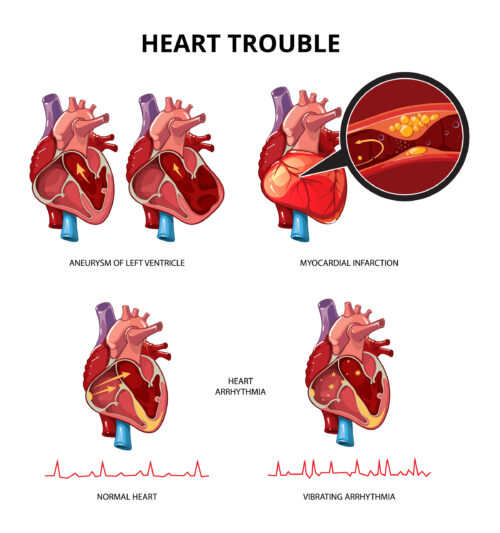
To understand what is heart blockage is, you need to know that the severity of the narrowing of the coronary arteries affects the treatment. After a proper heart evaluation, only then are procedures are planned.
Choosing the right procedure helps restore blood flow and protect heart function through careful planning and follow-up care with Oplus Heart Center.
Effective treatment and decision-making to further improve heart health are what matter most. To avoid delays, misunderstandings, or unnecessary interventions, a good center must be selected. At the Oplus Heart Center, care is accurate, safe, and based on the characteristics of each patient.
In addition to diagnosis and treatment, an emphasis here is also placed on continuity of care. Regular tracking and follow-up can inhibit blockage progression and reduce future cardiac risks. Oplus Heart Center provides healthy solutions to long-term heart care. With a patient-first mindset and an ethical approach based on evidence, it is a safe experience.
Detailed assessment of blockage severity, location, and heart function as a whole.
Treatment that reflects the patient’s condition, age, and risk factors.
Medical and non-invasive options are considered before invasive procedures.
Special stress on controlling cholesterol, blood sugar, blood pressure, and lifestyle habits.


“Very nice i feel better now Dr. Sanoj Raj and staf is also good Best EECP Centre for heart care treatment in noida.I had blocakge in my heart and i fell angina while walking..After 10sessions of Eecp i felt very much comfertable..no pain at all..and the Best part is my Dibeatic medicine...Without medicine my surgar level is normal..Am so much happy about my results..Special Thanks To Dr sanoj raj..very much expericend in EECP..Thankyou”
“Mere father ke lvef 35%the, doctor medanta mai bola eecp ke lea..medanta hmare lea expensive tha..phir maine net se oplus ka pta chla or yaha Mai Dr sanoj Raj se consalt ker ke treatment start kraya..Aaj hmara lats day hai..echo kraya thi heart ke pumping 50% ho gaye hai..or mere father ke symptoms khtam ho gaya or medicine be kam ho gaye..Thankyou to all Oplus Staff.I must say they have good cardiologist team.”
“Am from Bangladesh..Came Noida for my Father treatment at Oplus heart center.. Before coming here I did video counsalting with Dr sanoj Raj..as my father had Blockage in two vessels with 45% Low lvef.. Today is last of treatment..my father don't have angina and breathlessness..he can walk 2km eailsy..and his diabetic is under control no medication.. after eecp treatment and diet..am very much satisfied with Oplus and his well experienced staff.. Thankyou”
“I taken EECP treatment for my mother, got heart attack last year... Many doctors suggested for bypass surgery...But we decided for natural bypass after session given by Respect Dr. Sanoj sir....and today my mother and my families are very gracious to sanoj sir for giving right suggestion at right time.... This treatment is actually works and preventing for another heart related issue... Painless treatment and prevent from manoj surgery...I suggest every patient having heart issue try this one at once... Before taken decision of surgery..”
“Oplus heart centre is best in EECP. I didn't know about this alternate treatment for heart blockage, they not only guide me but also provided best treatment possible. Nice and quick service ....All the staff are polite and cooperative.....this clinic maintains cleaness and hygiene. Don't forget to meet Dr. Sanoj, so humble and caring doctor I have ever meet.”
“Maine apne father ka eecp treatment oplus allahabad mai kraya hu.. Unko low lvef tha 35%.Eecp treatment ke baad unka lvef 52% ho gaya..or wo ave bilkul thik hai.. Ave koi presani nhi hai.. Thankyou all oplus staff.. Thankyou Dr sanoj sir.”
“Excellent services and staff in OPLUS Heart Centre Noida.Dr Sanoj Raj and Mr Vivek provide excellent Guidance during entire EECP Treatment. Mr Naval,Mrs Khushbu provided excellent support and homely environment along with other staff(Sonu). OPLUS HEART CENTRE is excellent place for EECP Treatment.My EF was 32-35% before starting of EECP Treatment. When I got my ECHO done after 42 EECP sittings it got increased to 50%.”
Oplus Heart Center: EECP treatment in India, specializing in EECP treatment, and prevention of heart failure, heart attack, and coronary artery disease. Oplus is one of the best centers for EECP treatment for all cardiac problems, heart blockage, or failure treatment without hospitalization or surgery without pain.
Copyright @ All Rights Reserved by Oplus.