Oplus Logo

About Heart Blockage Treatment
With EECP Therapy

Heart Blockage Treatment Noida focuses on early detection and effective management of Blockage in the Heart, which develops gradually due to plaque buildup in arteries. Most people don’t notice anything in the initial phase, and that’s why it is frequently disregarded. When it gets too high, you may start to notice symptoms such as chest heaviness, fatigue, or getting tired even with the smallest tasks.

That’s where getting care on time only matters. As people today are searching for alternatives for complex processes, many people today are looking for safer and more manageable options. At Oplus Heart Center, the cardiac care team provides non-surgical heart blockage options like EECP therapy to support better blood circulation.

It is very gentle and supportive. It helps improve blood circulation and reduces strain on the heart. Moreover, the cardiac care team at Oplus Heart Center has expertise to manage cardiac diseases with non-invasive methods such as EECP therapy. The emphasis is on ensuring patient safety, appropriate assessment, and long-term cardiovascular management

Heart Blockage

Types of Blockage in the Heart

Types of Blockage in the Heart

  • Blockage in the Heart

    Blockage in the Heart

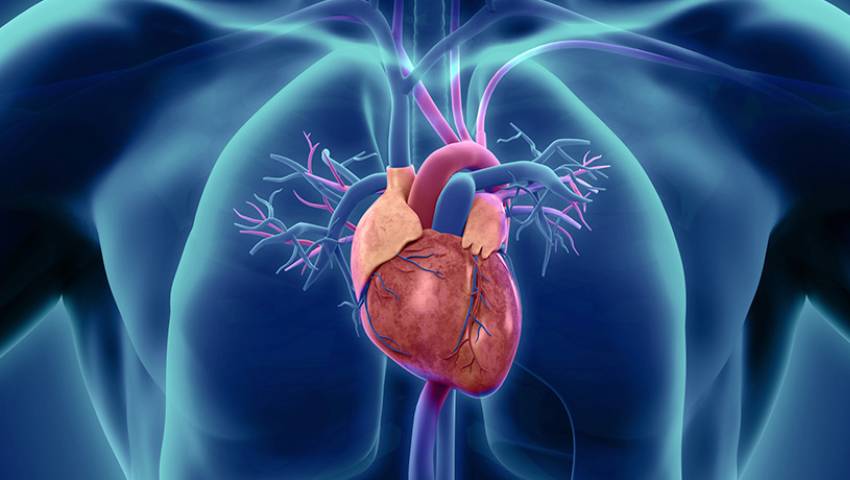
    can vary from mild narrowing to severe artery involvement, depending on the individual.. Some have mild narrowing, and others may suffer more serious involvement of one or more arteries. The main types are important to understand when choosing the right care or managing the condition over time. The types are:
  • Mild Blockage

    Mild Blockage

    This is the first stage where the arteries are somewhat narrowed, but blood can still flow through without too much trouble. At this point, most people do not experience definitive symptoms. That said, it is a warning to not be taken lightly. With Non-Surgical Heart Blockage Treatment, improved diet, and regular activity, this stage can usually be managed effectively to prevent it from becoming worse.

  • Moderate Blockage

    Moderate Blockage

    In this stage, the narrowing becomes more significant and may start affecting daily activities. Some are fatigued more than usual or have a mild chest tightness with exertion. This is the point at which you need to pay attention. However, most people can maintain their part of the disease with proper care and lifestyle changes to prevent it from getting worse.

  • Severe Blockage

    Severe Blockage

    In this, the artery is severely narrowed and restricts blood supply to the heart. As a result, symptoms such as chest heaviness, breathlessness, or low energy may occur more often. This phase requires strict monitoring and management interventions to prevent further complications and ensure feasible heart performance.

  • Multiple Artery Blockage

    Multiple Artery Blockage

    These attacks affect more than one artery. Or it can add an even larger burden to the heart and necessitate more regimented care. Most patients can still manage their condition effectively with appropriate guidelines, consistent monitoring, and a focus on enhancing the holistic health of their hearts.

Heart Blockage

Stages of Heart Blockage

Heart blockage builds gradually, and often people don’t even realize it until it begins interfering with everyday life. The condition is typically divided into four stages to understand it thoroughly and manage appropriately at the right time, and plan for care through Heart Blockage Treatment by EECP Method. The stages are:

Stage 1 – Mild (0–30%)

This is the first stage where there might be a slight narrowing of the arteries, but blood flows very normally. Very few people have any definite symptoms, and it is usually diagnosed during routine check-ups. The condition can be treated in this stage, and the patient can also be prevented from entering a more serious state with close management, lifestyle changes, and regular follow-up.

Moderate (30–50%)

At this point, the narrowing is more apparent and may begin to interfere with day-to-day activities. Some feel fatigue or some mild chest pain with effort. This stage needs timely care. The condition can be managed and its progress prevented by proper routine, lifestyle correction, and supportive therapies.

Significant (50–70%)

At this stage, blood flow becomes more limited, and symptoms like breathlessness, fatigue, or chest heaviness can happen more frequently. Routine activities may begin to seem challenging. At this stage, regular follow-up and structured care are important; supportive measures like EECP may be able to improve circulation and reduce discomfort.

Severe (70–100%)

This is the late stage in which the artery is severely narrowed or closed. Then blood supply to the heart is dramatically reduced, and symptoms can become more severe. This critical step on the road to recovery should be approached with care, and that is why careful evaluation becomes important at this stage to reduce further risk.

Need an EECP Expert For Heart Blockage Treatment Consultation?

Book an appointment with OPLUS Heart Centre &  heart failure treatment with EECP therapy.

Appointment

Major Symptoms of Heart Blockage
Symptoms

Major Symptoms of Heart Blockage

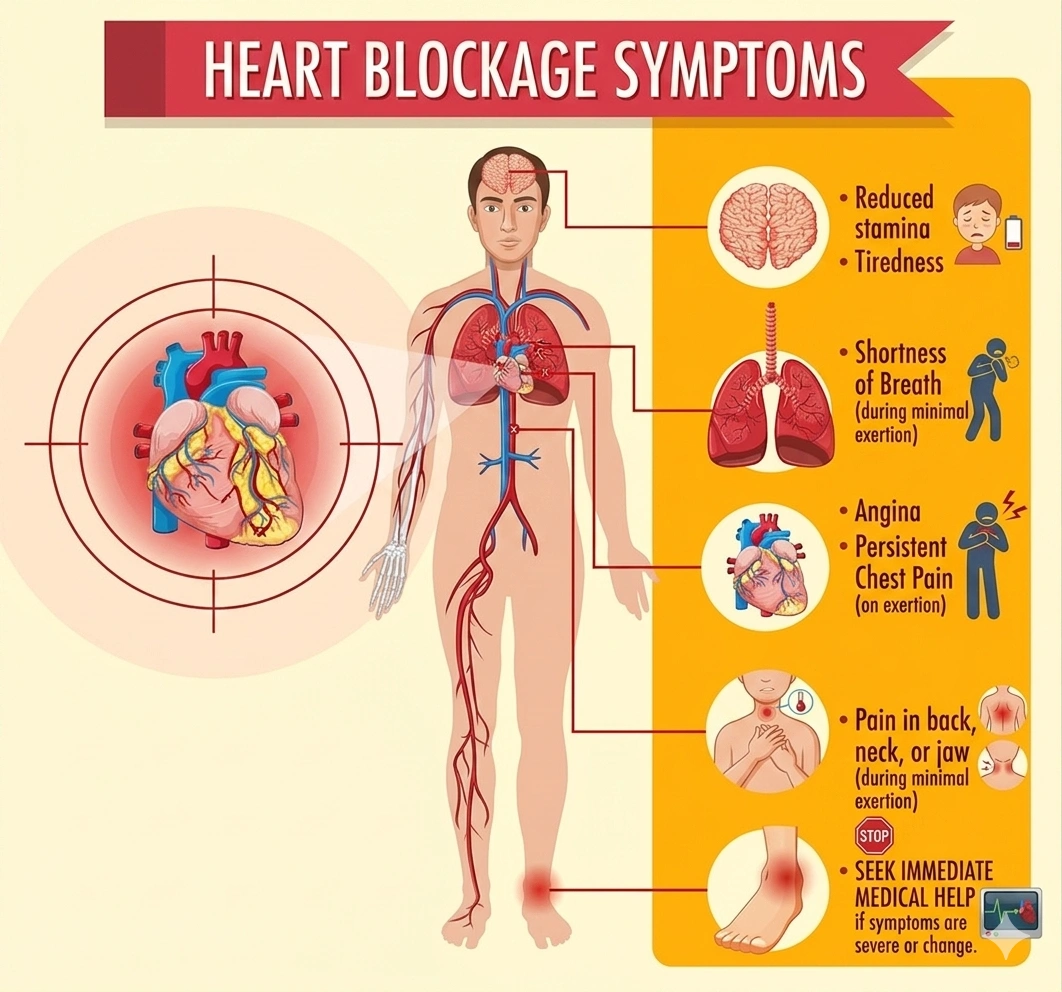
Signs and symptoms of heart blockage can differ from one individual to another; they depend on how much the blood flow is impaired. Early on, most people won’t notice anything at all, but as the condition advances, some signs can begin to show up. Common Symptoms are:

  • Chest pain or heaviness
  • Feeling fatigued or low in energy
  • Shortness of breath during activity
  • Heart palpitations or irregular heartbeat
  • Dizziness or feeling lightheaded
  • Nausea or uneasiness
  • Fainting in more serious cases

In the early stages of the disease, there might not be obvious symptoms, which often form when doctors run routine tests. But in later stages, symptoms can be much stronger and occur more often. In case of the above symptoms,  it is important to seek medical advice for proper evaluation and suitable Heart Blockage Treatment Noida.

Diagnosis of heart blockage

Diagnosis of heart blockage

Diagnosis of heart blockage can be done through different tests and clinical evaluations. The following methods help in identifying the condition and understanding its severity. Diagnosis includes clinical evaluation and the following tests:

Clinical Evaluation

  • Medical and family history
  • Lifestyle and activity assessment
  • Review of medications and habits

Tests for Diagnosis

  • ECG (Electrocardiogram)
  • Echocardiography (Echo)
  • Stress test
  • CT scan / Coronary angiography
  • Blood tests
  • Ambulatory heart monitor
  • Heart rate and physical examination

Early diagnosis plays a significant role in avoiding serious complications. Patients looking for Heart Blockage Treatment India can benefit from timely diagnosis and proper evaluation to choose suitable care options.

Treatment

Heart Blockage Treatment by EECP Method

Heart Blockage Treatment by EECP Method

Heart blockage or artery blockage occurs when fatty deposits, including cholesterol, gradually accumulate inside the arteries, which decreases blood flow to the heart. As the disease progresses, it can result in symptoms like chest pain, fatigue, or shortness of breath during routine activities.

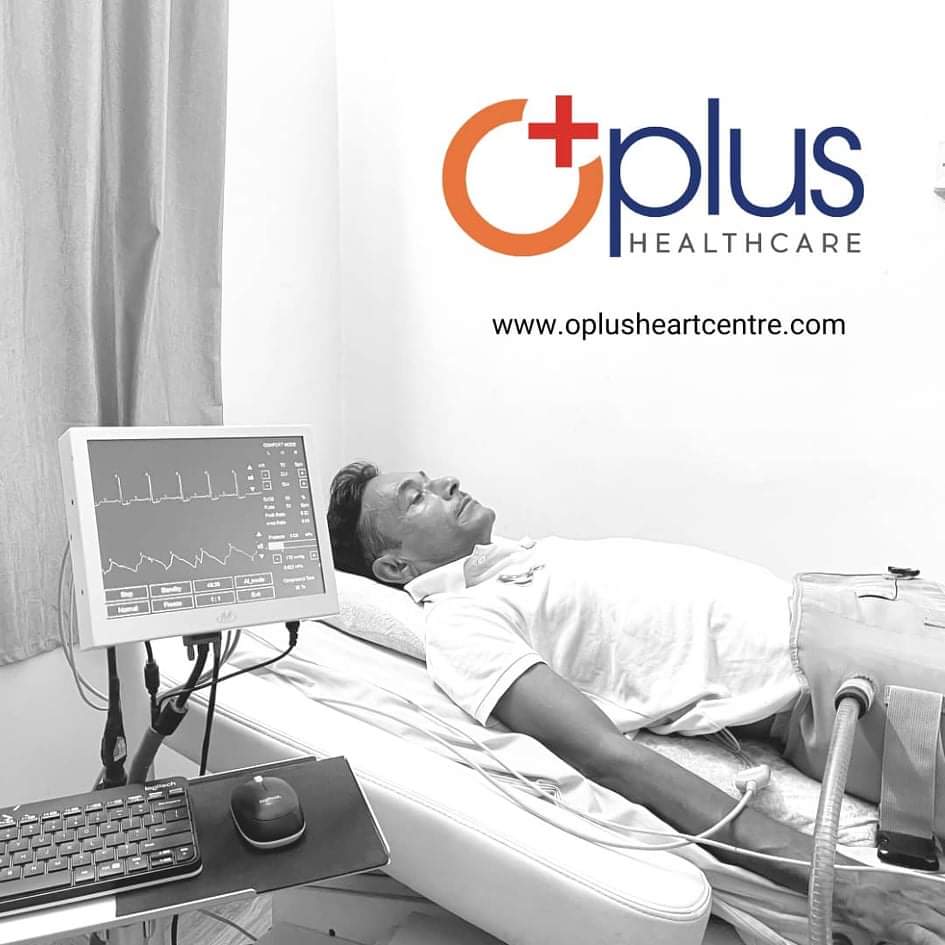
Many patients considering a safer, supportive approach for heart disease choose EECP – The Non-Surgical Heart Blockage Treatment. EECP is based on the application of controlled pressures that use cuffs of an inflatable material applied around the legs and rhythmically inflate and deflate. As a result of this process, the blood is able to circulate better, which helps with oxygen supply during exercise and puts less wear on your heart over the years.

EECP operates by passively assisting the delivery of more blood to the heart in a slow, controlled manner. As this circulation improves, over time, it may help alleviate symptoms such as fatigue and breathlessness. It can enhance overall heart function and comfort daily when complemented with proper medical treatment and healthy lifestyle habits.

Get in Touch

Visit Oplus Heart Center to explore advanced treatment with Heart Blockage Treatment by EECP Method

ECP is a non-invasive procedure that promotes the gradual and controlled enhancement of blood flow to the heart. It was commonly used as an alternative to those seeking a less invasive approach to handling their condition.

Oplus Heart Center, where each patient is evaluated properly, and step-wise care is provided based on findings. Sessions are scheduled with recommendations, making patients more confident in their ability to cope when they have symptoms. This approach is considered by many patients seeking Heart Blockage Treatment Noida for supportive care.

  • Non-Surgical Treatment

    It is more comfortable and less invasive for many patients because no cuts or invasive procedures are required.
  • No Hospital Admission

    The treatment is done in sessions, allowing patients to go back home the same day without being admitted.
  • Gradual Improvement

    Gradually works to aid better blood flow instead of an overnight or aggressive type concept.
  • Suitable for Different Age Groups

    Can be considered for adults across age groups based on the condition and medical advice

Symptom Relief Support

Help with the gradual reduction of being breathless, fatigued, or feeling uncomfortable in your chest.

Simple and Monitored Procedure

Treatment is conducted under supervision, ensuring a safe and manageable experience for patients.

Maintains Daily Routine

The treatment is well-tolerated, and patients can return to their regular work/lifestyle during this period.

Supportive Care Option

It is usually used along with medical advice and lifestyle changes to manage the condition better over time.

Copyright @ All Rights Reserved by Oplus.