

- 25 May 2026
Introduction
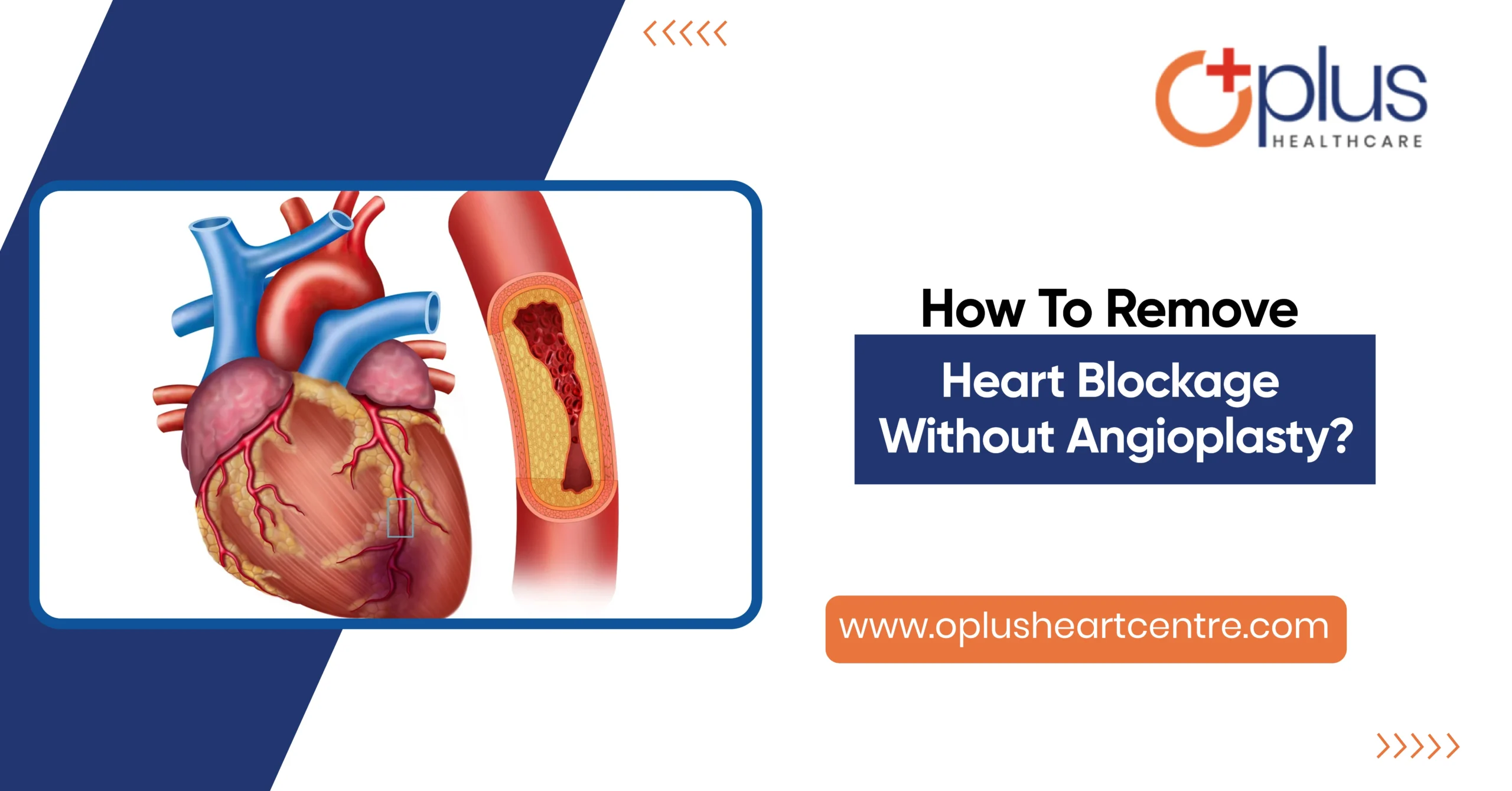
A heart blockage can bring up a lot of questions when you are being told you have one. Most people think of angioplasty as the first treatment because it is regularly used to open up narrowed arteries and restore blood flow. But not all patients require an immediate procedure. The best treatment depends on how much of the artery is blocked, your symptoms, and how healthy your heart is. So many people search for Heart Blockage Without Angioplasty and want to know what options may be available for this reason.
What Happens When A Heart Artery Gets Blocked?
The arteries that carry blood to the heart can gradually become blocked with the build-up of cholesterol and other deposits. As the heart muscle gets less blood, symptoms may begin to develop.
Some people feel uncomfortable in the chest when walking or climbing stairs. Some may feel very tired, breathless, or less active than they were before. Occasionally, a blockage is found during a routine heart check-up before any symptoms become apparent.
The treatment that is recommended depends on how much the blood flow is reduced and whether the blockage is causing significant problems.
Is Angioplasty the Only Option?
In short, the answer is no. Each heart blockage is different. Some patients benefit from angioplasty; others can be treated initially with medications and risk-factor control. In difficult cases, bypass surgery may be advised.
Common treatment options are
- Medicines for high cholesterol and blood pressure
- Heart-healthy lifestyle changes
- Angioplasty and stent placement
- Bypass operation
- Non-invasive treatments such as EECP
The choice depends on the individual condition of the patient and not on a single treatment approach for everyone.
A Closer Look At EECP Therapy
When discussing alternatives, many people ask whether there is a treatment that does not involve surgery or stents. This is where EECP often becomes part of the conversation.
For many patients looking into EECP treatment for heart blockage, they want to improve circulation without having to go through an invasive procedure.
Enhanced External Counterpulsation (EECP) is a non-invasive treatment that aids blood flow to the heart. Inflatable cuffs are placed around the legs during the treatment. The cuffs expand and contract in a sequence that is in time with the heartbeat.
The treatment is done in several sessions and requires no anesthesia, no stitches, and no hospitalization. Patients are usually able to continue their normal routine between sessions.
How Does EECP Help?
EECP does not actually go into an artery and take plaque out; EECP is focused on improving blood flow. The repeated inflation/deflation initiated by the cuffs also creates a rhythmic pressure that moves blood toward the heart more efficiently.
This enhanced circulation could, over time, stimulate the growth of tiny collateral blood vessels. These natural pathways may assist in wicking blood toward areas that might not be getting a sufficient flow through constricted arteries.
This is the reason EECP Treatment often comes to be discussed by patients searching for Heart Blockage without Angioplasty.
Why Some Patients Consider EECP
One reason EECP attracts attention is that it offers a different approach from traditional procedures.
Potential advantages include:
- No surgical incision
- No anesthesia
- No recovery period after treatment sessions
- Improved circulation
- Greater comfort during daily activities for some patients
Many people appreciate the fact that the therapy can be completed without disrupting their everyday schedule.
Who May Benefit From EECP?
Part of the reason EECP gets attention is that it is an alternative to traditional procedures.
Possible benefits include:
- No cut (surgical cut)
- Anesthesia not used
- No recovery time between treatment sessions
- Better circulation
- Some patients felt more comfortable in daily activities
Many people like the fact that the therapy can be done without interfering with their normal timetable.
A Word Of Caution
While EECP treatment for heart blockage may be a good option for selected patients, it is not a substitute for emergency cardiac care. At Oplus Heart Centre, we treat each patient individually to provide the best possible treatment plan. which could include:
- Severe arterial blockages
- Worsening or new chest pain
- Unstable cardiac conditions
- Heart attack emergency
Conclusion
There isn’t a single treatment that works for every instance of heart blockage. Some patients need angioplasty or surgery; others benefit from medicines, lifestyle changes, or therapies to improve circulation. EECP is a non-surgical option that may help support blood flow and symptom management for select individuals looking for Heart Blockage Without Angioplasty then make an appointment at Oplus Heart Center where yu get in-depth consultation with a knowledgeable cardiologist is still the best way to determine the best way forward.