

- 11 June 2026
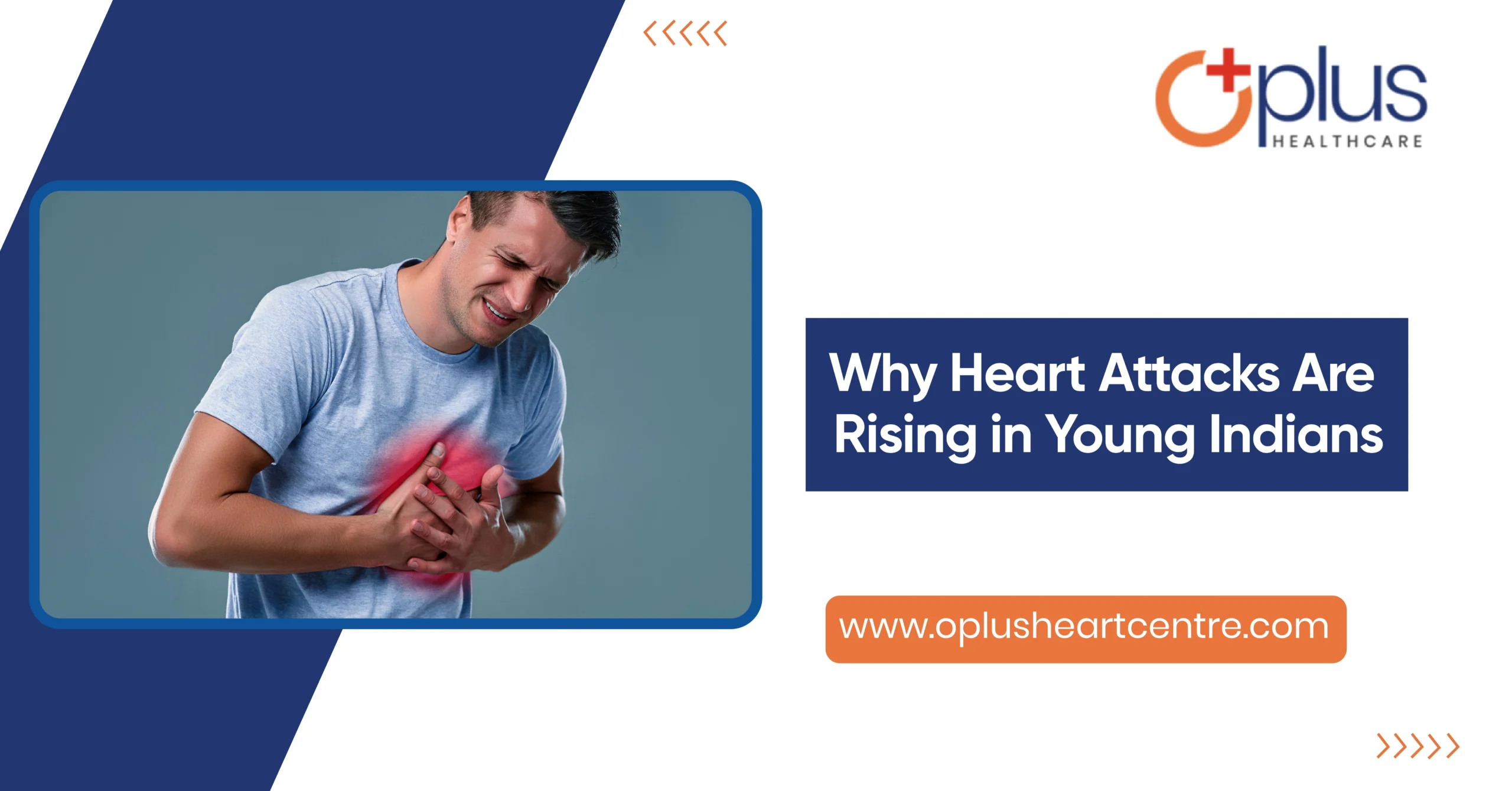
In India, the cardiac health of young people is in danger. Many young Indian adults haven’t crossed their 40s but are suffering seriously from heart attacks. Undoubtedly, heart attacks are rising among Indians badly just after COVID-19.
What the Numbers Are Actually Showing
Between 2020 and 2023, hospital data across India showed that 50 percent of heart attack patients were below the age of 40. Consultant cardiologists confirm that while heart attacks were traditionally seen in people beyond 50 or 60, the last two decades have seen them become very common among adults under 45.
The Indian Heart Association reports that nearly 25 percent of heart attacks in men have now occurred before the age of 40. That is one in four. Not a fringe statistic. A mainstream pattern.
And the scale of the problem is growing fast. Cardiovascular disease cases in India jumped from 25.7 million in 1990 to 64 million in 2023 — a 2.3-fold rise in ischemic heart disease and stroke in just three decades.
Why Heart Attacks Are Rising Among Young Indians
Lifestyle Changed Faster Than the Body Could Adapt
Urban India shifted dramatically in a very short period. Long desk hours, minimal physical activity, diets replaced by processed foods high in fat, sugar, and salt, constant financial pressure and work deadlines — all of this is creating stress-induced inflammation and hormonal imbalance in people who are still in their 20s and 30s.
The body was not built for this combination at this speed.
Indians Are Genetically More Vulnerable
This part is not discussed enough. Indians experience heart attacks roughly 10 years earlier than Western populations. South Asians carry a higher genetic predisposition to premature heart disease compared to other ethnic groups globally. That genetic baseline, combined with a westernised lifestyle, becomes a serious cardiac risk that most young people simply do not know they are carrying.
Diabetes and Obesity Are Now Everywhere
Diabetes and obesity, once diseases of affluence, have become national epidemics in India. Both conditions damage the arterial walls quietly over years.
Stress Is Not Just Mental, It Is Physical
Cortisol, the stress hormone, damages blood vessel walls when it stays elevated for months and years. It raises blood pressure, disrupts sleep, promotes clotting, and pushes people toward smoking and poor diet.
The Symptoms Young People Keep Ignoring
Young adults regularly mistake early cardiac warning signs for acidity, anxiety, or simple exhaustion. Chest pressure, pain spreading to the left arm or jaw, sudden breathlessness without exertion, unexplained sweating. All these are a big sign of rising heart attacks in India.
What Needs to Happen Now For Rising Heart Attacks
Heart attacks are rising fastest in the group that feels least at risk. That is the core of the problem. Young working Indians are not getting screened, not watching their numbers, and not acting on early symptoms.
EECP therapy is one such option for tacklbest heart treatment. If you or someone you know is dealing with cardiac symptoms in Odisha, exploring EECP Treatment in Bhubaneswar at Oplus Heart Centre is an ideal step for treating serious heart attack conditions.
About Oplus Heart Centre
Under the guidance of Dr. Sanoj Raj (ECFMG USA, MD), the Oplus Heart Centre is considered the best EECP treatment center in India, as it provides non-surgical cardiac treatment that has been clinically proven to be an alternative to surgical procedures such as bypass surgery and stenting. Oplus Heart Centre operates across multiple cities in India, providing clinically effective, reliable and affordable heart treatment for Indian people.